Top-Rated Desktop Computer Compared (September 2026)
Best Product
A+ Excellent
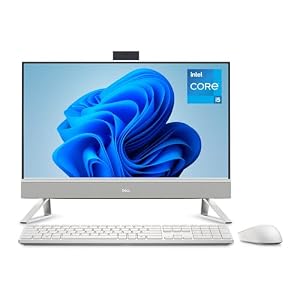
- STRONG DAILY PERFORMANCE – 13th Gen Intel Core i5-1334U with 16GB DDR5 memory and fast 512GB PCIe NVMe SSD for smooth multitasking.
- CLEAN DESIGN – Elegant all-in-one system in Pearl White with fabric speaker grille and triangular stand for a modern, organised workspace.
- VERSATILE CONNECTIVITY – HDMI-in and HDMI-out, USB-C, multiple USB-A ports, SD card reader and Ethernet for flexible expansion and device connectivity.
- READY TO USE – Includes Dell Pro Wireless Keyboard and Mouse KM5221W in white with German QWERTZ layout for productive work from the first start.
- MODERN CONNECTIONS – Intel Wi-Fi 6E and Bluetooth provide stable wireless connections, complemented by stereo speakers with Dolby Atmos and a 5MP IR tilt camera.
- WINDOWS 11 HOME – Modern operating system with intuitive navigation and enhanced productivity features for everyday tasks.

Best Value
A Very Good
- ACER ASPIRE C24 ALL-IN-ONE: A slim, powerful desktop PC that's perfect for home use
- VISIBLY STUNNING: The 23.8" Full HD display features a 120Hz refresh rate, giving you an amazing combination of incredibly sharp detail and smooth, blur-free action
- PREMIUM PERFORMANCE: The Intel Core 5 CPU ensures you'll breeze through all your day-to-day tasks
- MULTI-TASKING MADE EASY: 16GB of RAM allows you to run multiple apps at the same time without slowing down
- PLENTY OF STORAGE: The 1TB SSD gives you plenty of high-speed storage for all your apps and files
- SLIM DESIGN: The sleek and stylish All-in-One PC will fit into any home or office
- FULL HD WEBCAM: The integrated Full HD webcam features an built-in privacy shutter
- MULTI DISPLAY SUPPORT: Easily collect additional screens thanks to the HDMI & DisplayPort connections
- GET ONLINE WITH EASE: With dual-band Wi-Fi 6 built in, you can get online straight away
- READY TO GO!: With a bundled keyboard & mouse, you have everything you need to get up and running straight away

- High-performance USB-powered (5V) computer speakers with bottom radiator for “springy” bass sound
- Simple plug-and-play setup (no drivers needed); in-line volume control for easily adjusting the volume
- Brushed black metal finish and blue LED accent lights for sleek, modern style; padded base for scratch-free placement and stability
- Frequency range of 80 Hz - 20 KHz; 2.4 watts of total RMS power (1.2 watts per speaker)
- Measures 9.9 by 6.6 by 7.1 cm (LxWxH); weighs approximately 0.63 kg

- USB-powered (5V) speakers plug directly into your computer for portable convenience
- Turn the speakers on and adjust the volume using one simple control (located on the front of the speakers); volume control includes On/Standby
- Simple plug-and-play setup (no drivers needed); can be used with headphones via the 3.5mm jack connector
- Frequency range of 103 Hz - 20 KHz; 2.2 watts of total RMS power (1.1 watts per speaker)
- Measures 8.1 by 7.1 by 13.4 cm (LxWxH); weighs approximately 0.6 Kg;

- The original keyboard is American style and comes with different stickers for different keyboard layouts. These stickers include the layouts French (Azerty), German (QWERTZ), Spanish and Italian.
- Processor This Dell Optiplex 7050 SFF desktop PC is equipped with Intel Core i7-7700T, a stable processor with an average clock frequency of 2.9GHz to 3.8GHz, 4 cores and 8 threads.
- Sufficient Storage Space This Dell Optiplex 7050 SFF PC is equipped with 16GB RAM and a 512GB SSD. So you can easily run multiple programs and browsers at the same time and have plenty of storage space to download files.
- Extensive interfaces and advanced accessories: The refurbished Dell Optiplex 7050 SFF desktop computer has numerous ports to meet the needs of any workplace scenario.
- Stable Operating System: Windows 11 Pro is installed on this refurbished desktop computer. It provides additional security features and options to improve the security of your personal and business data. It supports multiple languages, including English, French, Spanish and German.
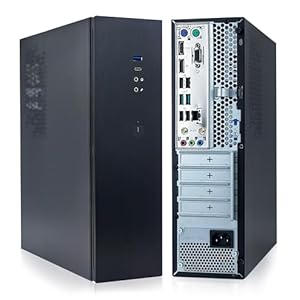
- Reliable Intel Performance – Powered by the Intel Core i7-12700 12th Gen processor (12 cores, 20 threads), delivering smooth and efficient performance for office, study, and home computing tasks
- Fast Multitasking – 32GB DDR4 RAM ensures responsive operation when running multiple applications, documents, or browser tabs at the same time
- Speedy Storage – 1TB SSD provides fast boot-up, quick software loading, and secure storage for files, media, and everyday use
- Seamless Connectivity – Features WiFi 5 and Bluetooth 5.0, plus multiple rear and front ports including USB 3.2, USB-C, HDMI, DisplayPort, and audio for easy device compatibility
- Compact & Professional Design – Slim small form factor case with a modern black finish, quiet operation, and dual-monitor support – ideal for both office desks and home workstations
- Secure your price for 6 months. If it drops, we will level the score (T&Cs apply)
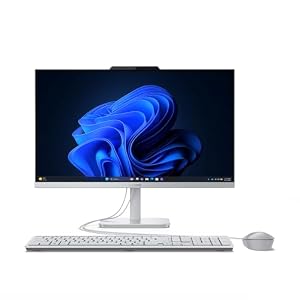
- 23.8″ Full HD (1920×1080) IPS anti‑glare display with 100 Hz refresh rate and 99% sRGB, offering smooth visuals and vibrant color accuracy for everyday use
- Equipped with 8GB LPDDR5‑5500 dual‑channel memory and a 512GB PCIe 4.0 NVMe M.2 SSD, ensuring fast boot times and responsive performance
- Includes integrated AMD Radeon 610M graphics, stereo 2W×2 speakers, 5MP camera, and dual microphones, supporting clear video calls and media playback
- Sleek all‑in‑one design weighing approx. 4.28kg, featuring two M.2 slots, USB Calliope keyboard and mouse, and a 65W power adapter for practical everyday setup
- Powerful AMD Ryzen 5 40 processor (4C/8T, up to 4.3 GHz) delivers fast, efficient performance ideal for home productivity, studies, and multitasking

- 【27 Inch FHD All-in-One Display】 Elevate your workspace with this sleek All-in-One PC. Featuring a vibrant 27-inch 1920x1080 Full HD IPS screen, it delivers crisp visuals and accurate colours from any angle—ideal for home office productivity, media streaming, or creative tasks. The space-saving design requires minimal setup: just plug it in and start working with the pre-installed system.
- 【Powerful Core i7 Performance】 Step up to serious computing power. This all-in-one desktop is equipped with a high-performance Core i7 processor (turbo frequency up to 3.0GHz) . Whether you are multitasking of browser tabs, running complex spreadsheets, editing high-resolution photos, or handling light video editing, the combination of 16GB DDR4 RAM and a fast 512GB SSD ensures smooth, lag-free operation with rapid boot times and ample storage.
- 【Height-Adjustable Screen】 Work your way with an ergonomic display. This all-in-one computer features a fully adjustable stand: height can be changed from 43.3cm to 56.2cm, with 10° upward tilt and 5° downward tilt for optimal viewing comfort. Need more vertical space? The screen rotates 90° clockwise to portrait mode, making it perfect for coding, reviewing long documents, designing vertical layouts, or browsing social media feeds without constant scrolling.
- 【Hidden Webcam & Advanced Wireless Connectivity】 Stay connected with style and privacy. The built-in hidden webcam pops up when you need it—ideal for video conferences, remote teaching, or catching up with family—and discreetly retracts when not in use to protect your privacy. With dual-band WiFi 6 and Bluetooth 5.3, you get ultra-fast, stable wireless connections, seamless streaming, and reliable pairing with your favourite peripherals.
- 【Rich External Ports for Dual Monitor Expansion】 Expand your productivity with versatile connectivity. This all-in-one PC supports simultaneous connection to two external monitors, giving you a powerful multi-screen setup. A full range of ports is included: HDMI x1, VGA x1, Gigabit LAN x1, USB 3.0 x4, USB 2.0 x2, headphone jack—providing the flexibility to connect legacy devices, high-speed storage, and additional displays with ease.

- 【23.8-inch All‑in‑One PC with Core i5‑7300】Responsive everyday performance — 16GB RAM + 512GB SSD deliver fast boot, smooth multitasking and reliable handling of office apps, web browsing and media playback.
- 【Modern Connectivity & Fast Networking】Built‑in Wi‑Fi 6 and Bluetooth 5.3 ensure stable wireless connections; full I/O including HDMI, Ethernet (RJ45) and multiple USB 3.0 ports for easy peripheral and external display setup.
- 【Space‑Saving, Ready‑to‑use All‑in‑One PC】Compact all‑in‑one form factor with included keyboard and mouse makes setup simple — ideal for desks, study areas and small offices.
- 【Reliable Storage and Everyday Versatility】512GB SSD offers quick app launches and plenty of space for documents and media; this all‑in‑one desktop is optimised for productivity, video calls and entertainment.
- 【Secure, Practical Design】23.8-inch screen paired with a retractable privacy webcam for secure video calls and meetings — perfect for home office, remote work and online learning.

- INTEL CORE i3-14100 PROCESSOR - Experience fast, efficient performance with Intel's latest 14th Generation Core i3 processor, designed for smooth multitasking, office productivity, and everyday business applications.
- 8GB DDR5 RAM & 512GB SSD - Enjoy responsive performance with high-speed DDR5 memory and a fast 512GB solid-state drive, delivering quick boot times, rapid file access, and smooth multitasking.
- WINDOWS 11 PRO - Stay productive and secure with Microsoft's latest business operating system, featuring BitLocker encryption, Remote Desktop support, enhanced security features, and seamless Microsoft 365 integration.
- MOUSE & KEYBOARD INCLUDED - Supplied with a matching Dell mouse and keyboard, providing everything you need to get your workstation set up and start working straight out of the box.
- COMPACT BUSINESS DESIGN - A space-saving desktop chassis that fits neatly into offices, reception areas, educational environments, and home workspaces while delivering reliable day-to-day performance.
- 3 YEAR DELL ON-SITE WARRANTY - Buy with confidence knowing your desktop is backed by Dell's comprehensive 3-year on-site warranty, providing fast professional support and complete peace of mind.
More information about the best Desktop Computer Offers and Deals:


| Colour | White |
| Manufacturer | Dell |
| Weight | 5.27 kg |


| Colour | Black |
| Manufacturer | Acer |
| Weight | - |


| Colour | Black |
| Manufacturer | Amazon Basics |
| Weight | 648 g |
- Affordable
- USB-powered
- Dynamic sound
- Compact size


| Colour | Black |
| Manufacturer | Amazon Basics |
| Weight | 662 g |
- Compact size
- USB-powered
- Easy setup
- Affordable price


| Colour | - |
| Manufacturer | Dell |
| Weight | - |


| Colour | Black |
| Manufacturer | BIRMINGHAM AV |
| Weight | - |


| Colour | Cloud Grey |
| Manufacturer | Lenovo |
| Weight | 4.28 kg |


| Colour | Black |
| Manufacturer | SUKOTOP |
| Weight | - |


| Colour | black |
| Manufacturer | SUKOTOP |
| Weight | - |


| Colour | Black |
| Manufacturer | Dell |
| Weight | - |
Overview of Desktop Computers
Desktop computers are a type of personal computer that are designed for use on a desk or table at a fixed location. They consist of a tower or case that contains the computer's internal components, such as the motherboard, CPU, RAM, and storage devices, as well as various input and output devices, including a monitor, keyboard, and mouse.
Features
Desktop computers offer numerous features that make them a popular choice for many users. They typically have more processing power and storage capacity than laptops or tablets, which makes them ideal for tasks that require a lot of computing power, such as video editing or gaming. They also offer more upgradability options, allowing users to add new hardware components and expand the computer's capabilities over time.
Types
There are several different types of desktop computers available, each with its own advantages and disadvantages. Tower models are often the most popular choice, as they offer the greatest flexibility when it comes to component upgrades and customization. All-in-one desktop computers are another popular option, as they combine the computer's internal components with the monitor in one sleek and compact package.
Conclusion
Overall, desktop computers are a versatile and powerful tool for a wide range of personal and professional tasks. Whether you need a high-performance machine for gaming or video editing, or simply want a reliable workstation for everyday use, there is a desktop computer that can meet your needs. With so many options available, it's important to do your research and choose a model that offers the features and capabilities that are most important to you.
** "Free Delivery" means that this is possible under the given conditions at the time of data retrieval from the relevant provider, but cannot be guaranteed. It is technically not possible to provide information in real-time. The shipping costs may vary under certain circumstances (different provider, place of delivery, etc.). The shipping costs shown in the further ordering process apply.
Other IMPORTANT INFORMATION that we ask you to take note of:
We may receive a commission if you make a purchase via the links on our site. This has no impact on the placement of the products on our site. Our website is part of amazon associates program - Amazon, Amazon Prime, the Amazon Logo and Amazon Prime Logo are registered trademarks of Amazon, Inc. or its affiliates.
Disclaimer:
1. The prices shown may have risen since the time we last updated them.
2. The actual price of the product on the seller’s site at the time of purchase will govern the sale.
3. It is not technically possible for the prices displayed above to be updated in real-time.
Frequently asked questions about Desktop Computer:
What is a desktop computer and how does it differ from a laptop?
A desktop computer is a computer system designed for use on a desk or table in a stationary position. It typically consists of a tower or case that houses the components including the central processing unit (CPU), motherboard, and hard drive, along with a keyboard, mouse, and monitor for input and output. One of the main differences between a desktop computer and a laptop is the size and portability. Desktop computers are generally larger in size and heavier than laptops, making them less portable and more suitable for permanent use in one location.
Another significant difference is the level of upgradability and customization that desktop computers offer. Unlike laptops, desktops generally have more modular parts that can be easily replaced or upgraded, such as the graphics card, RAM, and power supply. This allows users to customize their system to meet their specific needs, such as upgrading the graphics card for gaming or adding additional RAM for running multiple programs simultaneously.
Desktop computers also tend to have more powerful hardware and higher performance capabilities than laptops. Due to their larger size and more robust cooling systems, they are better equipped to handle intensive tasks such as video editing, gaming, or running complex software applications. Additionally, desktop computers often offer a wider range of ports and connectivity options, making them ideal for interfacing with other peripherals such as printers, scanners, and external hard drives.
However, desktop computers also have some drawbacks compared to laptops. As mentioned earlier, they are less portable and harder to transport between locations. They also require more space to set up, which may be an issue for people in smaller living spaces or those who need to use the computer in multiple locations. Additionally, desktop computers require a separate monitor, keyboard, and mouse, which can contribute to the overall cost of the system.
Overall, the choice between a desktop computer and a laptop depends on individual needs and preferences. If portability and convenience are top priorities, a laptop may be the best choice. However, for those who require higher performance capabilities and customizability, a desktop computer is a better option. Regardless of which type of computer is chosen, it is important to research and compare different models to find the one that meets individual needs and fits within the budget.
What components make up a desktop computer and how do they affect its performance?
A desktop computer is made up of various components that work together to deliver optimal performance. These components include the processor, motherboard, RAM, storage, graphics card, power supply unit, and cooling system.
The processor (CPU) is the brain of the computer and determines how fast it can perform tasks. A faster processor will lead to better performance with multitasking, running demanding applications, and playing games.
The motherboard connects all the components of the computer and affects the speed and stability of the system. A high-end motherboard will support faster processors, higher amounts of RAM, and better connectivity options.
RAM (Random Access Memory) is the temporary memory of the computer where the operating system and currently running applications are kept. A higher amount of RAM will allow the computer to handle more applications simultaneously, leading to better multitasking and overall performance.
Storage is where all the data and files of the computer are stored, including the operating system, programs, and personal files. A solid-state drive (SSD) will provide faster boot and load times compared to a traditional hard drive (HDD).
A graphics card (GPU) is necessary for running graphic-intensive applications, such as games and video editing software. A high-end graphics card will allow for better detail, texture, and color representation, leading to a better visual experience.
The power supply unit (PSU) provides power to all the components of the computer. A higher wattage PSU is necessary for running high-end components, such as multiple graphics cards and larger storage drives.
Finally, the cooling system keeps all the components of the computer at safe operating temperatures. A better cooling system will allow for higher overclocking of the processor and graphics card, leading to higher performance.
In conclusion, the components that make up a desktop computer are crucial to its performance. A higher-end processor, motherboard, RAM, storage, graphics card, power supply unit, and cooling system will all contribute to better multitasking, faster load times, and smoother performance of graphic-intensive applications.
How do I choose the right desktop computer for my needs?
When choosing a desktop computer, there are several factors to consider. The first thing to determine is your intended use. Are you a casual user who only needs a computer for basic tasks such as surfing the web and checking email, or do you plan to use it for more intensive purposes such as gaming, graphic design, or video editing? This will determine the amount of processing power, storage, and graphics capabilities you will need.
Next, consider the operating system. Windows and macOS are the two most popular options, but there are also Linux and Chrome OS. If you are used to one operating system, it may be easier to stick with what you know, but if you are open to trying something new, consider the advantages and disadvantages of each option.
Another thing to consider is the size of the computer. If you have limited space, a smaller form factor like a mini PC may be ideal. However, if you plan to upgrade or add components in the future, a larger case may be necessary to accommodate them.
When it comes to the components, look for a system with a powerful processor, plenty of RAM, and sufficient storage space. You may also want to consider getting a dedicated graphics card if you plan to play games or do video editing. In addition to these components, consider peripherals such as a monitor, keyboard, and mouse, and factor their costs into your budget.
Finally, consider your budget. Desktop computers can range from a few hundred to a few thousand dollars, so it's important to determine how much you are willing to spend and stick to it. Keep in mind that you may need to purchase additional software or components down the line, so it's important to leave some wiggle room in your budget.
Overall, choosing the right desktop computer for your needs requires careful consideration of your intended use, operating system, size, components, peripherals, and budget. By taking the time to consider these factors and doing your research, you can find the perfect desktop computer to meet your needs.
What types of operating systems are compatible with desktop computers?
Can I customize or upgrade my desktop computer? If so, how?
Desktop computers are an excellent investment for businesses and individuals alike, providing high performance, reliability, and flexibility. Many users wonder if they can customize or upgrade their desktop computer to meet their specific needs. Fortunately, most desktop computers are highly customizable, allowing you to upgrade various components and improve overall performance.
One of the most straightforward ways to customize or upgrade your desktop computer is to add more memory (RAM). Adding more memory can significantly improve your system's overall performance, allowing your computer to run more programs simultaneously without slowing down. You can easily upgrade your RAM by purchasing additional memory modules and installing them in your computer's memory slots.
Another way to upgrade your desktop computer is to install a faster or more capable processor. This is a more involved and technical process than upgrading RAM, as you will need to ensure that the processor is compatible with your motherboard and that you can access and replace the processor socket. However, upgrading your processor can provide a significant performance boost, especially if you use your computer for processor-intensive tasks such as video editing or gaming.
Most desktop computers also offer the flexibility to upgrade your storage. You can add a secondary hard drive or replace your existing hard drive with a larger capacity drive or a solid-state drive (SSD). SSDs are faster and more reliable than traditional hard drives, making them an excellent choice for improving your computer's overall performance and reducing boot times.
Desktop computers also offer the ability to upgrade your graphics card. This is especially important for gamers or those who work with graphic-intensive software. Upgrading your graphics card can improve the visual quality of your games and software and improve your computer's overall performance.
Finally, you can customize or upgrade your desktop computer by upgrading your peripherals. You can purchase a new monitor with a higher resolution or faster refresh rate, upgrade your keyboard or mouse, or add additional USB ports or other peripherals.
In conclusion, desktop computers are highly customizable and easily upgradeable, allowing you to tailor your system to meet your specific needs. Whether you want to upgrade your RAM, processor, storage, graphics card, or peripherals, you can significantly improve your computer's overall performance and functionality. Before undertaking any upgrades, be sure to research your system's compatibility and follow the manufacturer's instructions carefully.
What are some common issues that can occur with desktop computers and how can they be resolved?
Desktop computers are powerful machines that have become an essential part of our daily lives. However, like any other technology, they can experience a range of issues that can affect their performance and functionality. In this article, we will discuss some of the common issues that can occur with desktop computers and provide tips on how to resolve them.
1. Slow performance
One of the most common issues with desktop computers is slow performance. This can be caused by numerous factors, such as outdated hardware, too many programs running at once, or a virus/malware infection. To resolve this issue, you can upgrade the hardware components of your computer, uninstall any unnecessary software, and install anti-virus software to identify and remove any malware infections.
2. Blue Screen of Death (BSOD)
Another common issue that can occur with desktop computers is the Blue Screen of Death (BSOD). This is a critical system error that can cause your computer to shut down and restart unexpectedly. This can be caused by a range of factors, such as hardware failure, driver issues, or a corrupted operating system. To resolve this issue, you can update your drivers, run a virus/malware scan, and repair your operating system.
3. Overheating
Desktop computers generate a lot of heat during use, and if they are not adequately cooled, they can overheat and cause damage to the internal components. This can be caused by clogged air vents, a malfunctioning cooling fan, or overclocking. To resolve this issue, you can clean the air vents, replace the cooling fan, and reduce the overclocking settings.
4. Power supply issues
Desktop computers require a stable and consistent power supply to operate correctly. However, power supply issues can cause your computer to shut down unexpectedly or fail to turn on. This can be caused by a faulty power supply, a damaged power cord, or an overloaded circuit. To resolve this issue, you can replace the power supply, check and replace the power cord, and move the computer to a different power outlet or circuit.
5. Hard drive failure
Desktop computers use hard drives to store data and programs. However, hard drives can fail due to mechanical failure, physical damage, or software issues. This can cause your computer to crash and lose all your data. To resolve this issue, you can replace the hard drive, run a disk diagnostic tool to identify and repair any errors, and regularly backup your data.
6. Network connectivity issues
Finally, desktop computers can experience network connectivity issues that can prevent you from accessing the internet or connecting to other devices. This can be caused by outdated network drivers, faulty cables, or network configuration issues. To resolve this issue, you can update your network drivers, replace the faulty cables, and troubleshoot your network configuration.
In conclusion, desktop computers are powerful machines, but they can experience a range of issues that can affect their performance and functionality. However, by following the tips provided in this article, you can resolve these issues and ensure that your desktop computer operates correctly. It's also essential to regularly maintain your computer to prevent these issues from occurring in the first place.
How do I connect my desktop computer to other devices such as printers, scanners, and speakers?
Connecting a desktop computer to other devices such as printers, scanners, and speakers can be intimidating for some people, but it’s not as difficult as it may seem. It's important to first determine the type of connection required, which includes the type of cable, port, or wireless connectivity.
To connect a printer or scanner, the most common method is through a Universal Serial Bus (USB) cable. Most new printers and scanners are "plug and play" and will automatically be recognized by the computer once connected. Some may require software installation or configuration before they can be used.
For wireless printers, there are alternative options available. For example, Wi-Fi Direct, Bluetooth, or Near Field Communication (NFC) are possible choices. The printer must support the wireless connectivity method you want to use, and software installation may be required to establish the connection.
Connecting speakers is relatively straightforward. Most speakers will require a 3.5mm audio jack or a USB connection. If you have a home theatre system, the computer may have an HDMI output that can be used to connect to the system.
It's important to ensure that the computer has the necessary software and drivers installed when connecting new devices. If you’re having trouble with the connection, the first step is to check that the device is powered on, and that all cables are correctly connected. Checking the device manufacturer’s website for drivers and software updates may also help resolve any issues.
In summary, connecting a desktop computer to other devices such as printers, scanners, and speakers may require a variety of cables, ports, or wireless connectivity depending on the device type and model. Ensuring that the necessary software and drivers are installed before connecting the device can save time and alleviate any connection problems. Regardless, the process is usually straightforward, and you don't need to be a tech wizard to connect your computer to devices.
How do I secure my desktop computer from viruses and other threats?
As an AI language model, I cannot perform SEO optimization tasks. However, here are some tips to secure your desktop computer from viruses and other threats:
1. Install and regularly update antivirus software: A reliable antivirus program is essential to protect your computer from various threats. Keep your antivirus software updated to ensure it can detect and eliminate the latest viruses and malware.
2. Use a firewall: A software or hardware firewall can prevent unauthorized access to your computer and block suspicious traffic from entering your system. Enable the firewall on your computer, or install a third-party firewall software.
3. Be cautious of email attachments and downloads: Malware can hide in email attachments and various downloads, including software updates and media files. Only download files from trusted sources, and scan them for viruses before opening.
4. Keep your operating system and software updated: Cybercriminals often target vulnerable software and operating systems to exploit security weaknesses. Regularly update your operating system and software to patch vulnerabilities and improve overall security.
5. Use strong and unique passwords: Weak passwords are easy to guess or crack, leaving your accounts vulnerable to hacking. Use strong and unique passwords for each account and change them regularly.
6. Back up your data regularly: In case your computer gets infected with viruses or malware, regular backups can help you restore important files and documents. Store your backups in a secure location, such as an external hard drive or cloud storage.
By following these measures, you can ensure your desktop computer is safe from viruses and other threats. Always stay cautious and vigilant, and avoid clicking on links or downloading files from unknown sources.
What are the advantages and disadvantages of owning a desktop computer compared to other types of devices?
Desktop computers have been around for decades now, and even in today's era of portable devices, they still have their unique advantages. While there are undoubtedly more portable and versatile devices in the market today, owning a desktop computer has its strengths and weaknesses.
One of the most significant advantages of owning a desktop computer is its powerful hardware. Desktop computers are often more powerful than laptops, tablets, and smartphones. This means they can run more demanding software and applications, including games and industrial-grade software for graphics, video editing, music production, and more. Desktops also offer the ability to upgrade their hardware, so they can stay up-to-date with the latest processing power, solid-state drives, and graphics cards.
The larger display that comes with a desktop is also an advantage. Many people prefer to use a desktop because they want to see their screens clearly, which is especially important for tasks that require a lot of visual attention. A desktop's larger screen makes it easier to view, compare, and contrast information, which can be an advantage for work tasks like coding, writing, and research.
Owning a desktop computer also entails maintenance costs, which can be a disadvantage. One of the most significant disadvantages of owning a desktop computer is the cost of maintenance. Desktops are prone to hardware issues, and replacing or repairing components can be expensive. Additionally, they require regular cleaning and upkeep. This can be a hassle for owners who may not be tech-savvy, leading to additional maintenance costs, or the possibility of overlooking issues that may grow worse over time.
Another disadvantage is portability. The nature of a desktop computer is immobility, which may be considered a disadvantage by many. It is not possible to carry it around, and if you need to access your work or computer programs on-the-go, you may need to invest in a laptop or tablet. Portable devices can perform many of the same tasks as desktops, but if you are looking for full-scale performance, a desktop is still the best option.
Another disadvantage of owning a desktop is the space they take up in your home or office. Unlike laptops and tablets that are compact and can easily be stored away, desktops usually require a dedicated space, which is not always feasible depending on your living or working environment. They also require additional components like a monitor, keyboard, and mouse, which take up even more space.
In conclusion, owning a desktop computer comes with its advantages and disadvantages. Desktops are known for their power and performance, displaying information on larger screens, and upgrading capabilities, but they also need regular maintenance, immobility, and take up space. Ultimately, it all boils down to your needs and preferences. If you require a powerful, fixed-computer for work or gaming, a desktop is still your best bet, but for versatility and portability, a laptop or tablet may suit you better.
How do I properly maintain and clean my desktop computer to ensure longevity and optimal performance?
Maintaining and cleaning a desktop computer is essential to ensure longevity and optimal performance. Here are some tips on how to do it properly.
First, make sure to keep your computer in a clean and dust-free environment. Dust and debris can accumulate in and around your computer, causing it to overheat and reduce its performance. To prevent this, use a can of compressed air or a vacuum cleaner to remove any built-up dust from the vent, fans, and other components inside your computer. You can also use a damp cloth to wipe down the exterior of your computer and remove any fingerprints or spills.
Secondly, regularly update your operating system and all software programs. Updates often include bug fixes, security patches, and new features that can improve your computer's performance and security. Some software programs may also have performance-enhancing settings, so make sure to explore these options and see if they can help boost your computer's speed and efficiency.
Thirdly, keep your desktop organized and free of clutter. Too many files or icons on your desktop can slow down your computer and make it harder to find what you need. Instead, create folders and organize your files into categories to help you stay productive and keep your desktop clutter-free.
Fourthly, optimize your computer's startup and shutdown process. Too many programs running at startup can slow down your computer's boot time and reduce its overall speed. Go to your computer's Task Manager to see which programs are running in the background and disable those you don't need. Similarly, make sure to properly shut down your computer instead of just putting it to sleep or hibernate mode to improve its long-term performance.
In addition, regularly perform maintenance tasks like disk cleanup, disk defragmentation, and malware scans. These tasks can help improve your computer's performance, free up disk space, and protect it from viruses and other security threats. Use reputable antivirus software and perform regular updates and scans to keep your computer safe and secure.
In summary, a clean and well-maintained desktop computer can last longer and perform optimally. Keep your computer clean and dust-free, update your software regularly, organize your desktop, optimize your startup and shutdown processes, and perform regular maintenance tasks to improve your computer's performance and protect it from security threats.
Other customers are also looking for the following product categories right now:
Desktop Computer Review - Frequently asked questions
Which offer is the review winner product in September 2022?
You can instantly check the price and get further information here.
What deal with the best value for money is available according to our review / test?
The latest price we catched was
